
Portable Incubator for Wildlife Rescue
(the cute one)
PinkyCrib®
For Immediate Animal Intensive Care on the go
Introducing the newest addition to the CrittaCrib® family: the PinkyCrib® — a portable incubator designed to give injured wildlife calm, stabilising care during rescue, transport and rehabilitation. Created as a nurturing, supportive space for vulnerable animals, it provides essential intensive‑care support from the very first moment they’re brought into care. In wildlife rescue, those early moments can be the most delicate, and the PinkyCrib® helps make the young ones safer.
Video production by Mick de Montignie
Stabilise wildlife anywhere
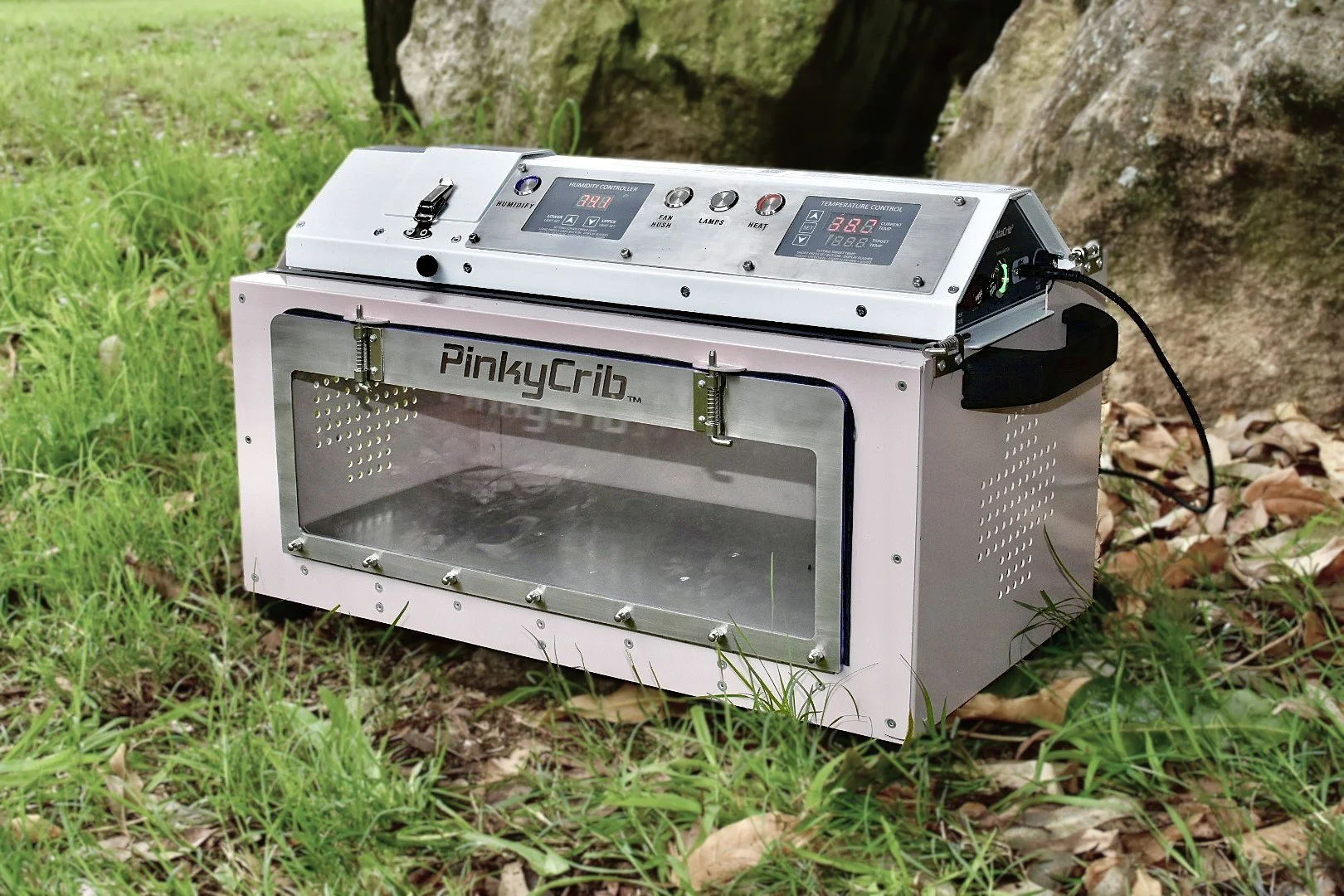
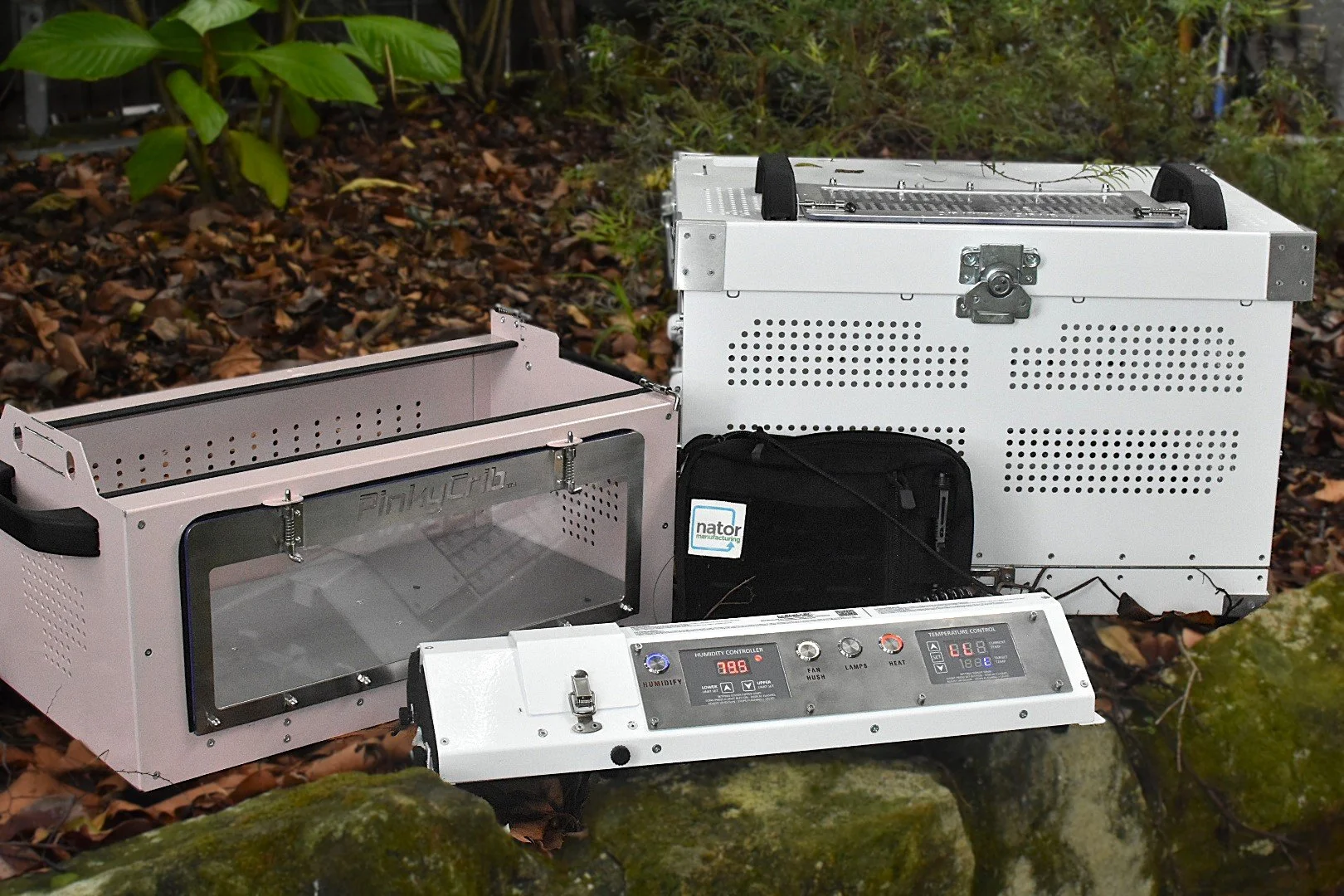
The PinkCrib® Wildlife ICU enables carers to deliver life-saving stabilising conditions immediately, anywhere, whether on a country road, in the field, a vehicle, clinic or someone’s backyard. It’s super compact and uses the same interchangeable control panel as the other CrittaCribs®.
Fully portable, self-powered incubator runs on a USB-C power bank, vehicle outlets, or wall sockets.
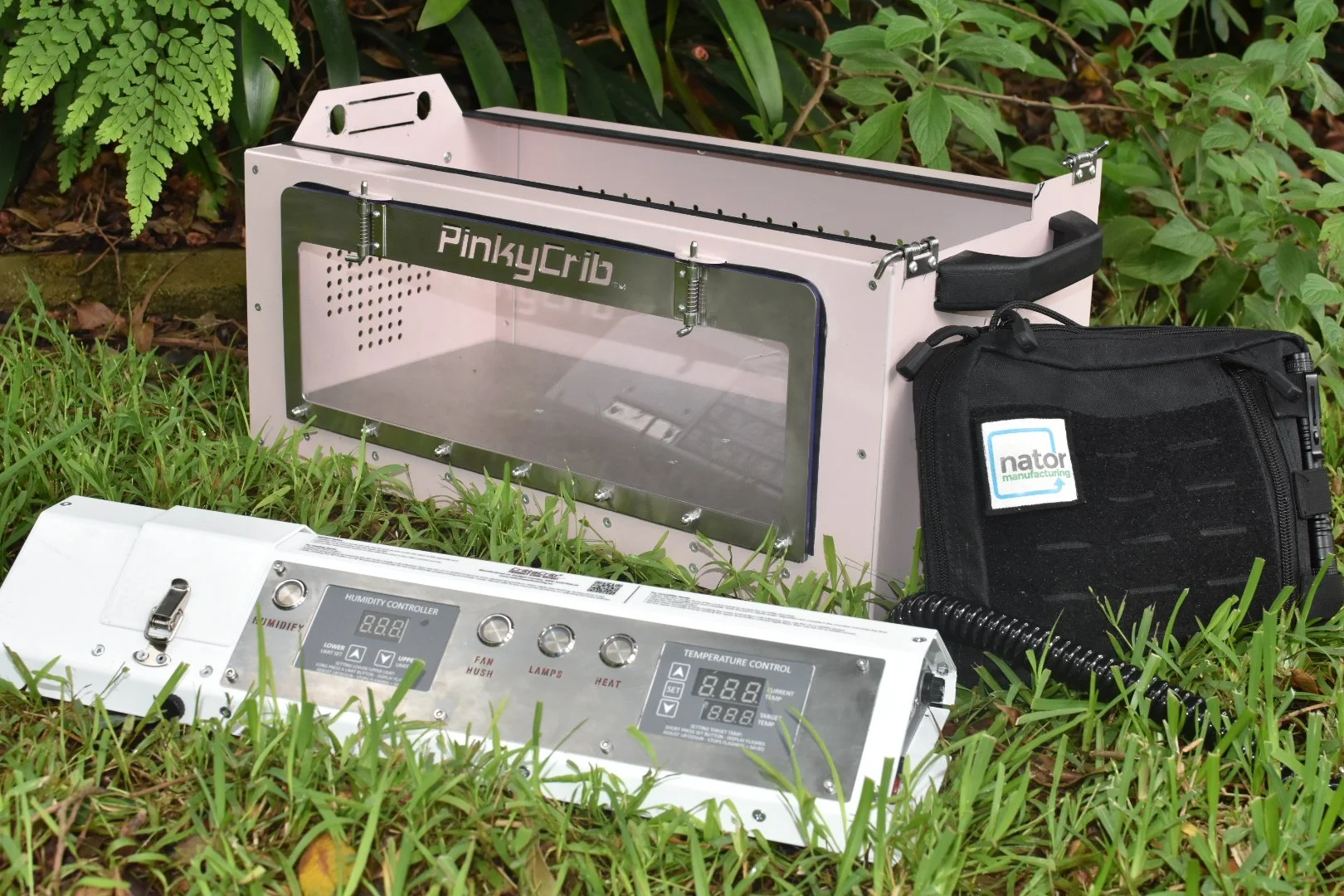
Easy to transport and store. PinkyCrib® is compact and the control panel and Power Bag fit inside for transport.
Species-specific heat and humidity settings for wildlife to simplify care, reduce stress and support recovery for a diverse range of species.
Monitor and Triage Animals Easily. The enclosed design protects animals from infection, excessive handling and temperature shock while allowing carers to monitor, triage, and feed safely.
Durable, Easy-to-Clean. Made from powder-coated aluminium, the PinkyCrib® has the same detachable control panel as the other CrittaCribs®, this simplifies cleaning and maintenance.
PinkyCrib® Features
-
![A pink and white small animal intensive care unit with a door open, placed on grass near rocks in an outdoor setting.]()
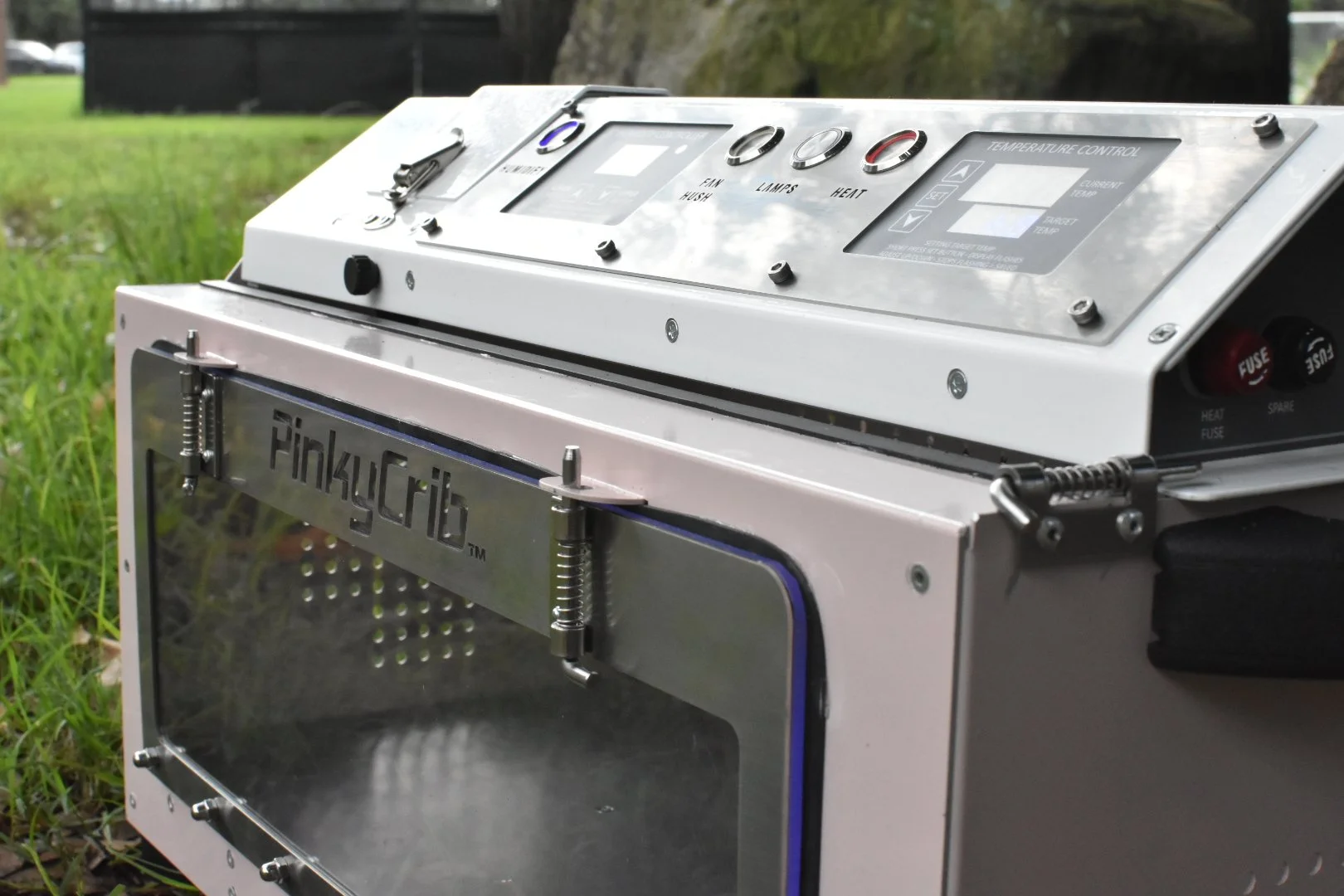
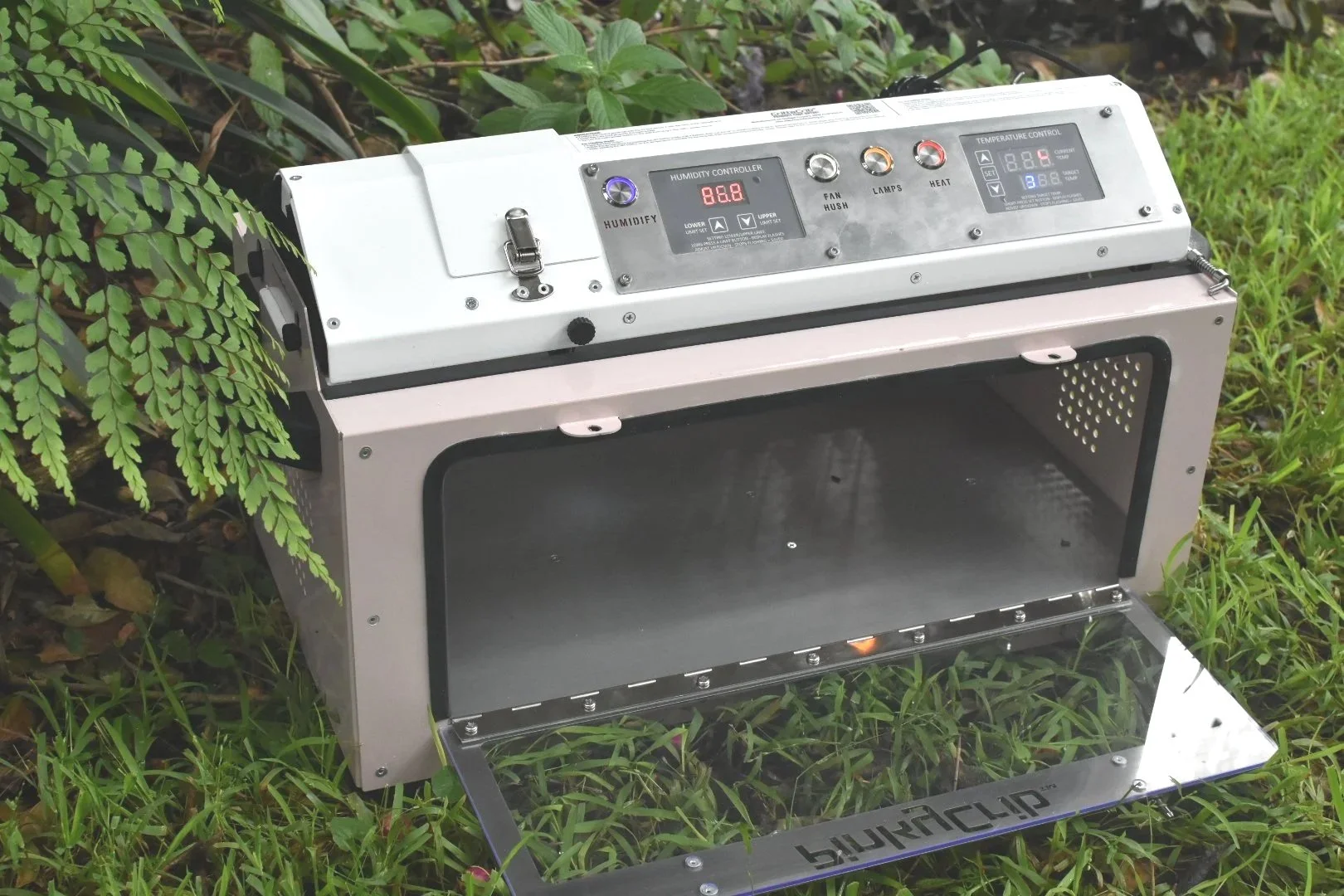
FRONT TOUGH CLEAR DOOR FOR EASY ACCESS
This gives you great access and a full view for monitoring and easy cleaning.
-
![A pink and white portable electronics enclosure for animals, resting on grass outdoors.]()
TOP LIFTS OFF FOR FEEDING, MONITORING AND CAPTURE
Feeding and monitoring from above is made simple withe removable control panel. Avoid unnecessary handling of animals.
-
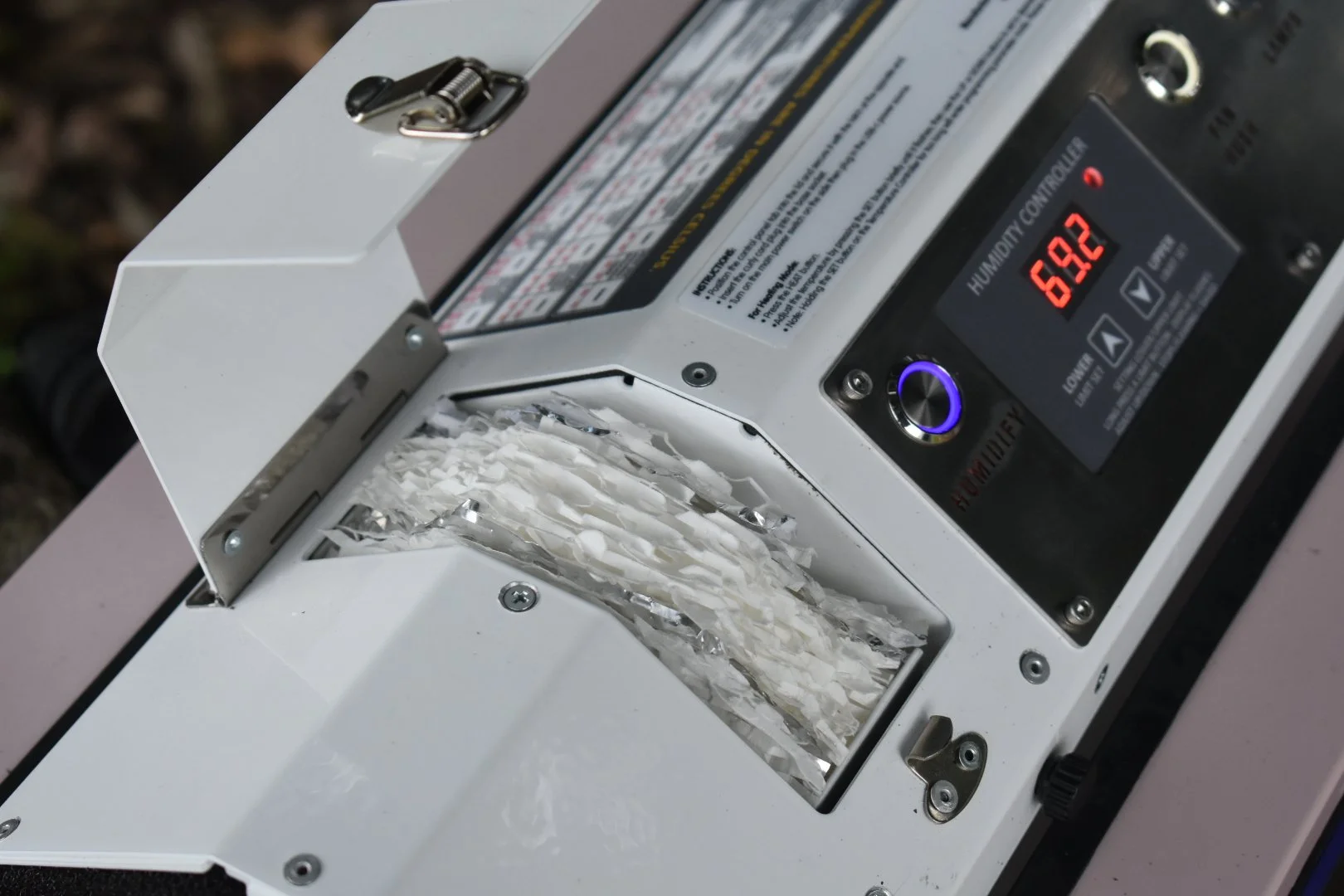
![A humidity crib device outdoors on grass, with knobs and digital displays for humidity and temperature settings.]()
CONTROL PANEL FITS ALL
The Control Panel plugs into the range of Cribs. Stainless steel bezel and water-resistant switches. Components are all easily serviced.
-
![a pink and white PinkyCrib wildlife intensive car unit made from powder coated aluminium with a black bag attached with the words Nator Manufacturing written on the black bag]()
COMPACT FORM
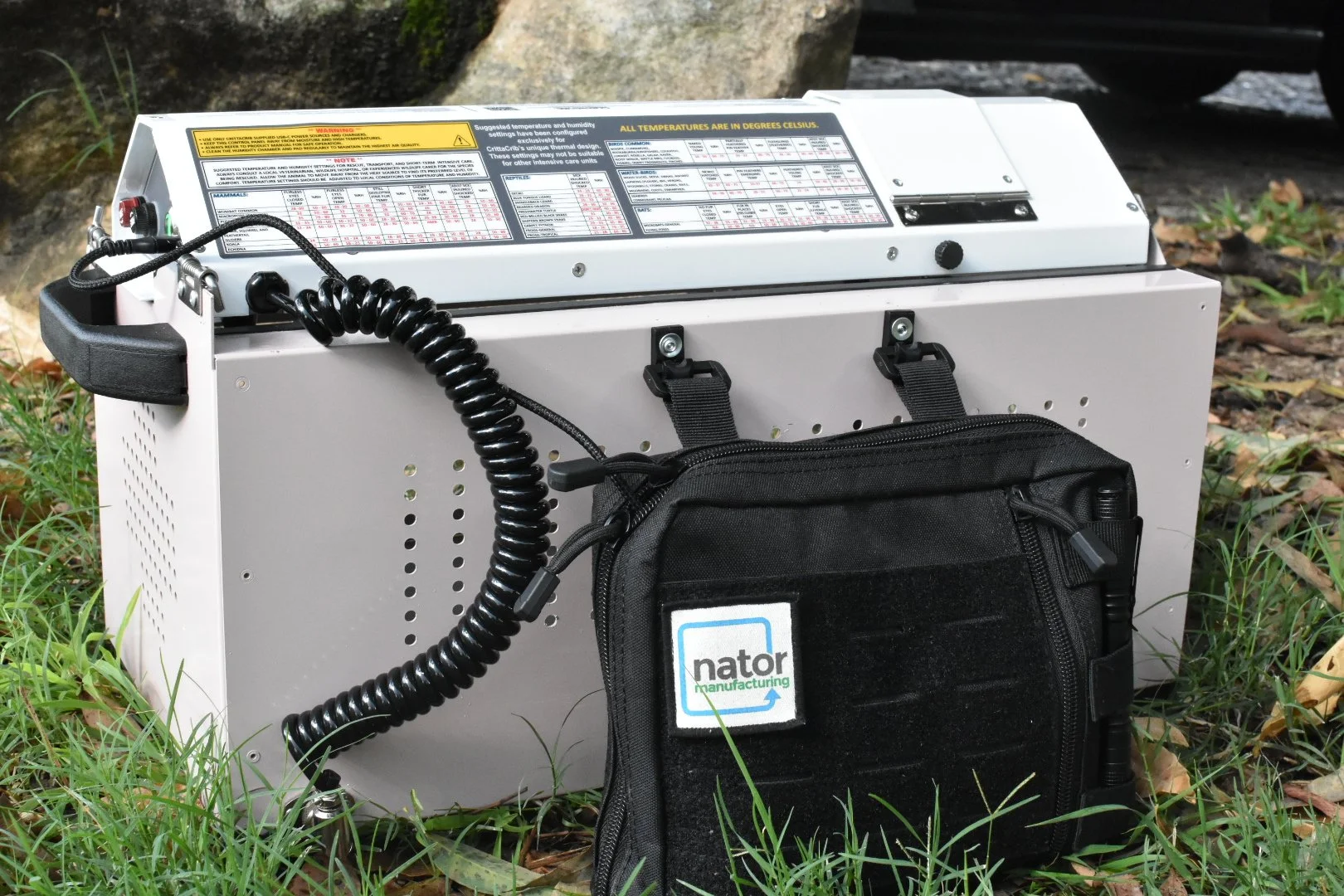
The control panel on the top flips over and acts like a lid enclosing the bag and keeping all the components protected.
-
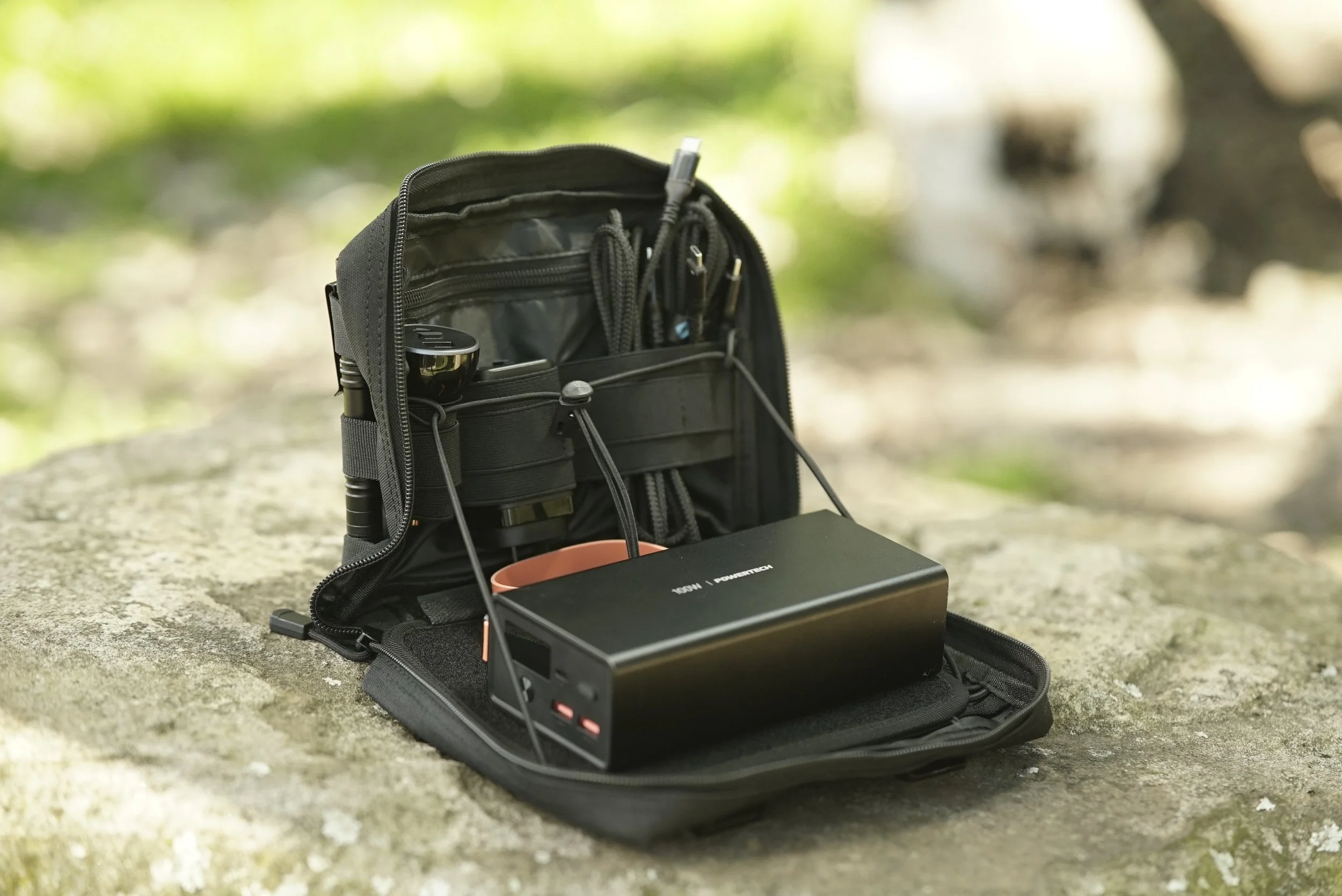
![Open black backpack with organized electronic accessories on a rough stone surface, including a portable power bank, charging cables, a power adapter, and a dual USB car charger.]()
FULLY POWERED... ANYWHERE
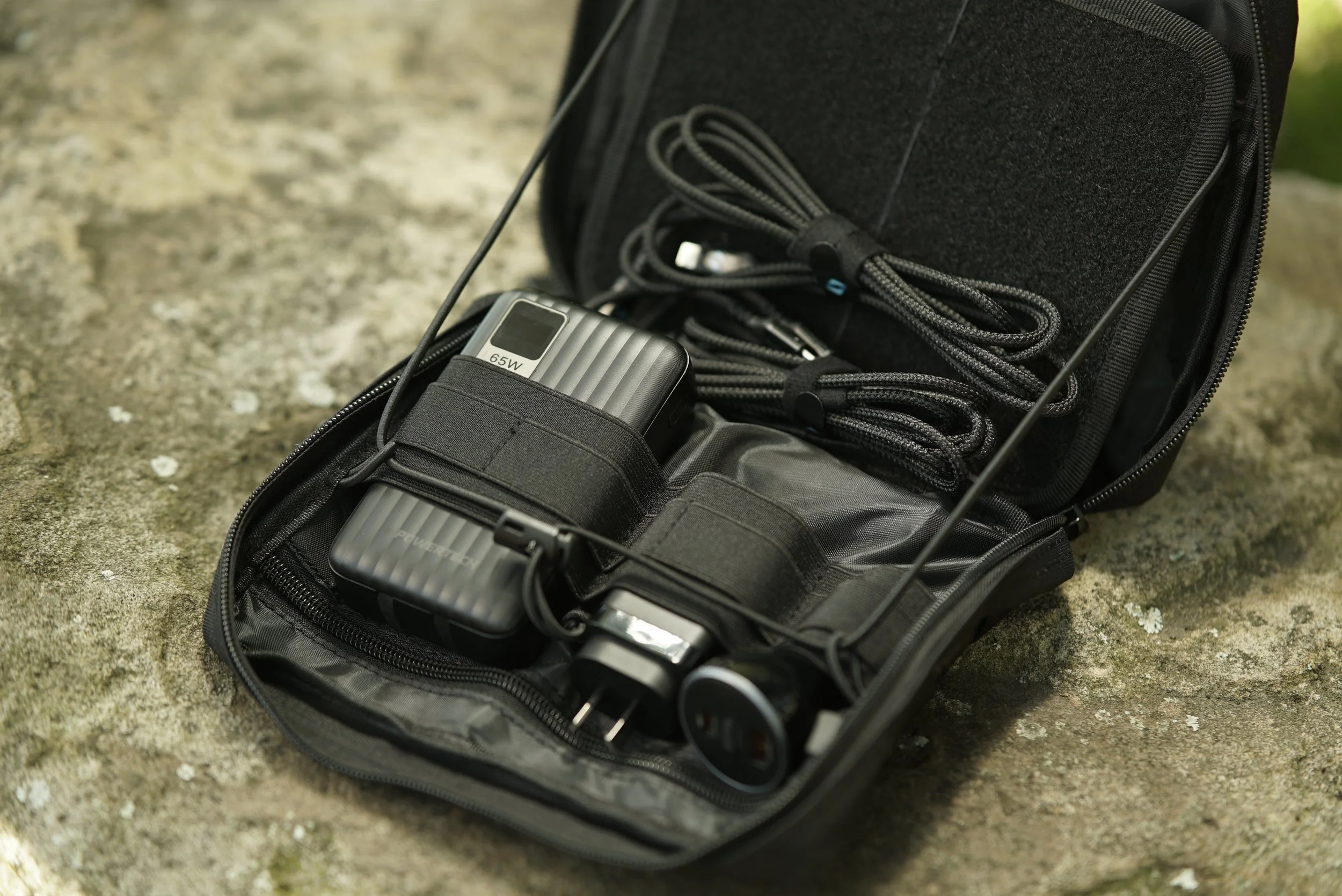
Battery (standard battery shown), car/truck outlet supply and 240V power outlet. This makes the CrittaCrib® like no other.
-
![Close-up of a PinkyCrib with a black handle, and perforated metal pink surface.]()
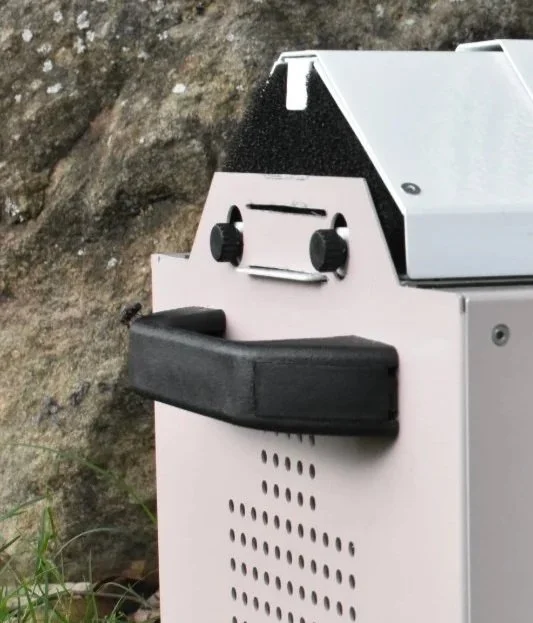
RUGGED SIDE HANDLES MAKE MANOUVERING EASY
Large enough for a gloved hand to position the Crib. Also used as solid mounting points for seatbelts or tie downs.
-
![A black portable power bank and various electronic accessories stored inside an open black bag on a rocky surface outdoors.]()
SUPER CAPACITY POWER BAG
This is for fulltime rescuers, offering 8hrs of cord free transport and waiting at the vets. Catastrophic event ready. You can also buy just the power bank, keep one on charge and another in use.
-
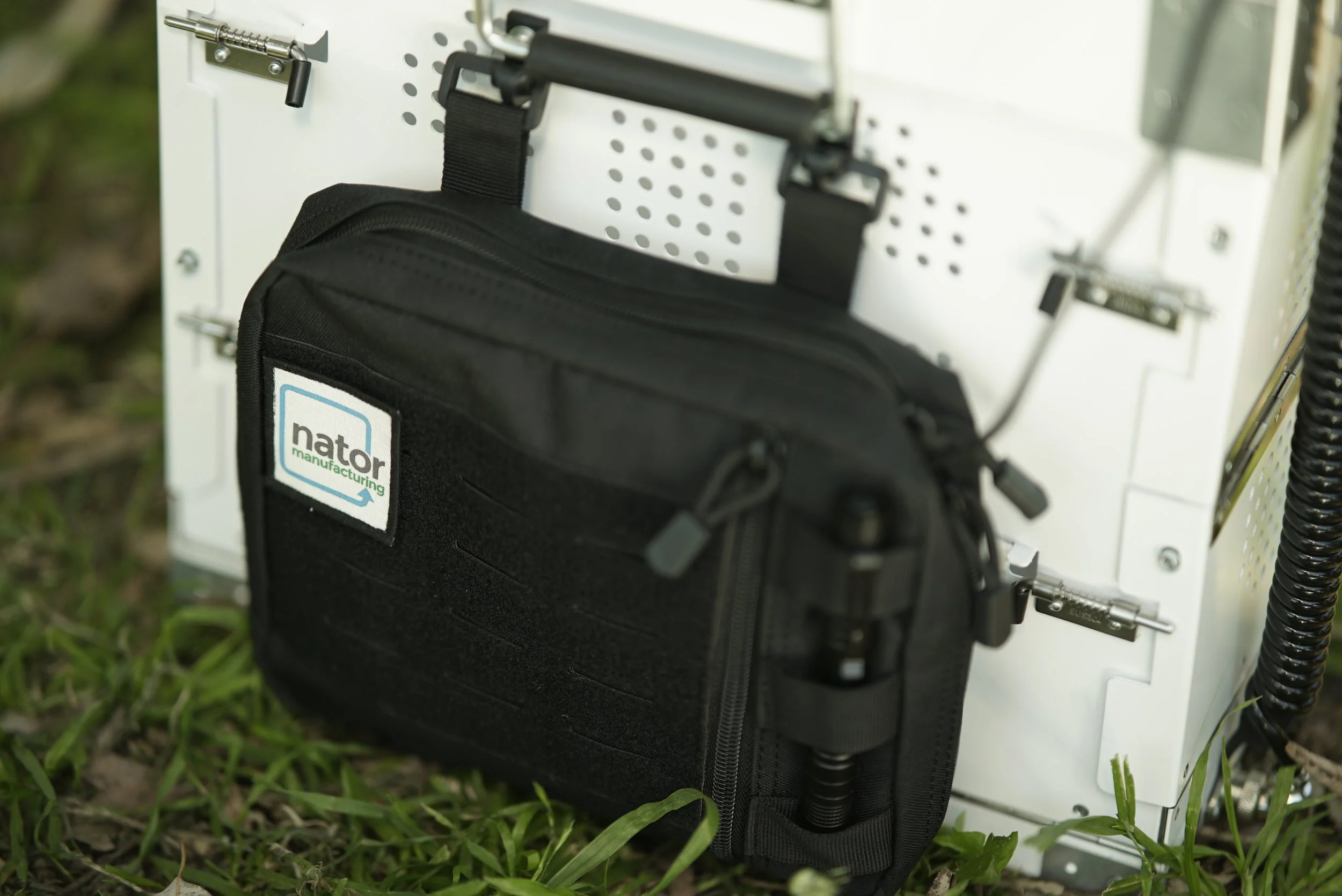
![Black Nator Manufacturing tool bag hanging on a white metal pegboard outside on grass.]()
POWER BAG
Heavy duty military grade fabric. Not bullet proof, but nearly. Keeps all power supplies and cords at hand.
-
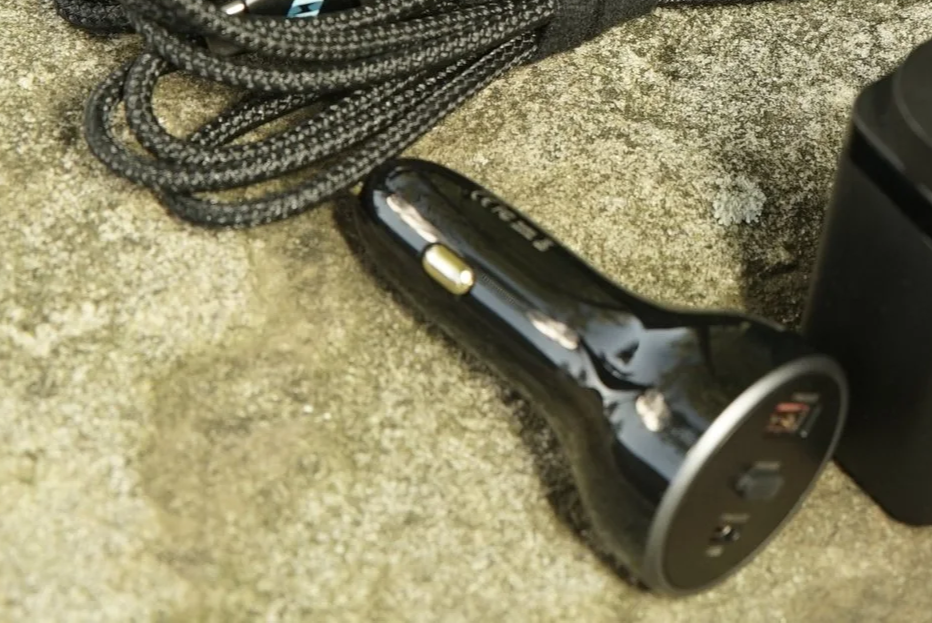
![Car Charger with USB ports, attached to a power source, lying on a rough surface with a coiled black cord nearby.]()
CAR OR TRUCK POWER SUPPLY
Power your CrittaCrib® directly from the vehicle and charge your power bank or phone. Won’t get hot like cheaper models and easily power the CrittaCrib®.
-
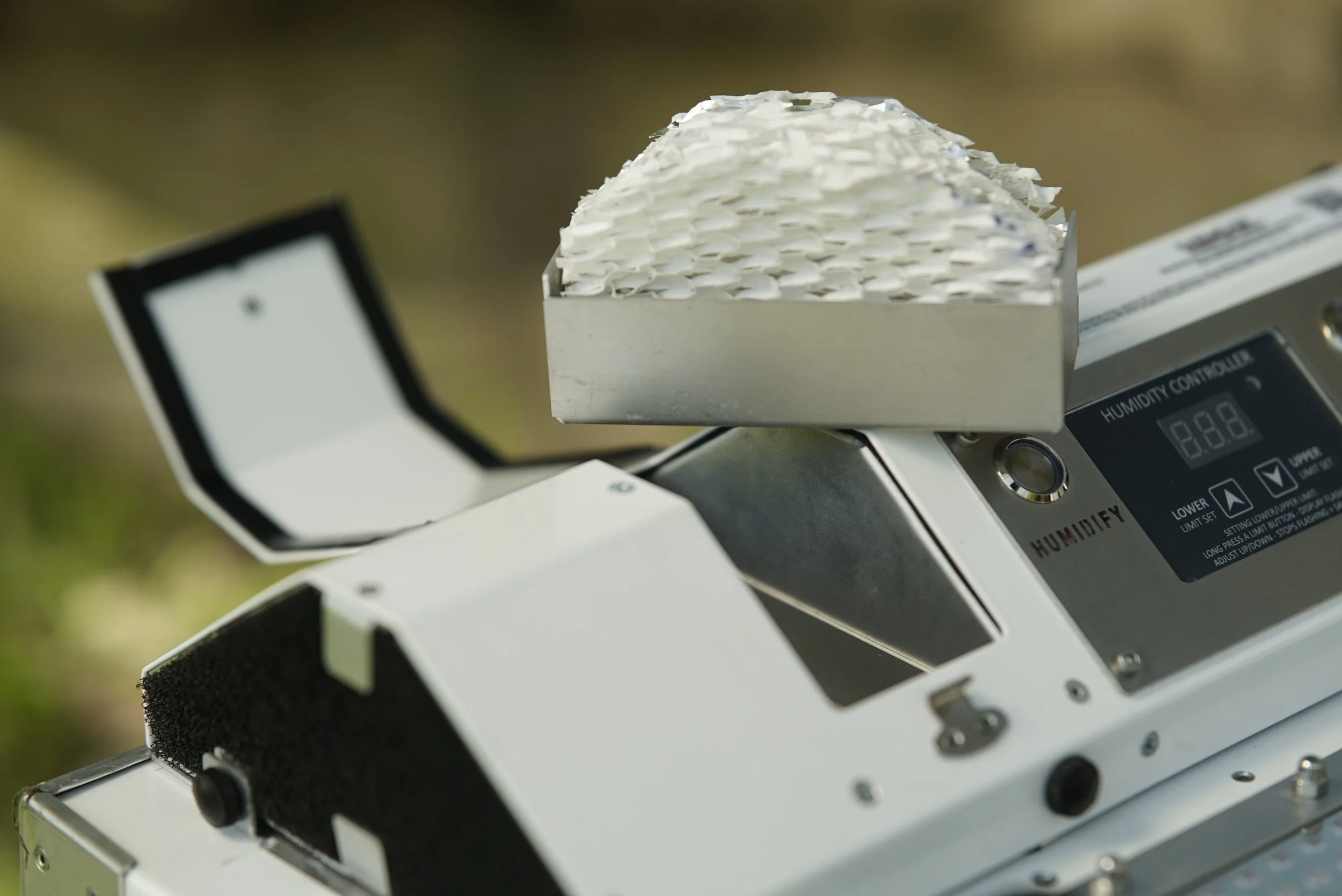
![Close-up of a scientific instrument with a textured metallic surface on top, connected to a white control box with a digital display and buttons.]()
REPLACEABLE COMPONENTS
The humidity pad is easily replaceable. It’s super absorbent and contains antimicrobial material.
-
![Close-up of a metallic box with a black foam-lined cover, possibly part of a piece of laboratory or industrial equipment.]()
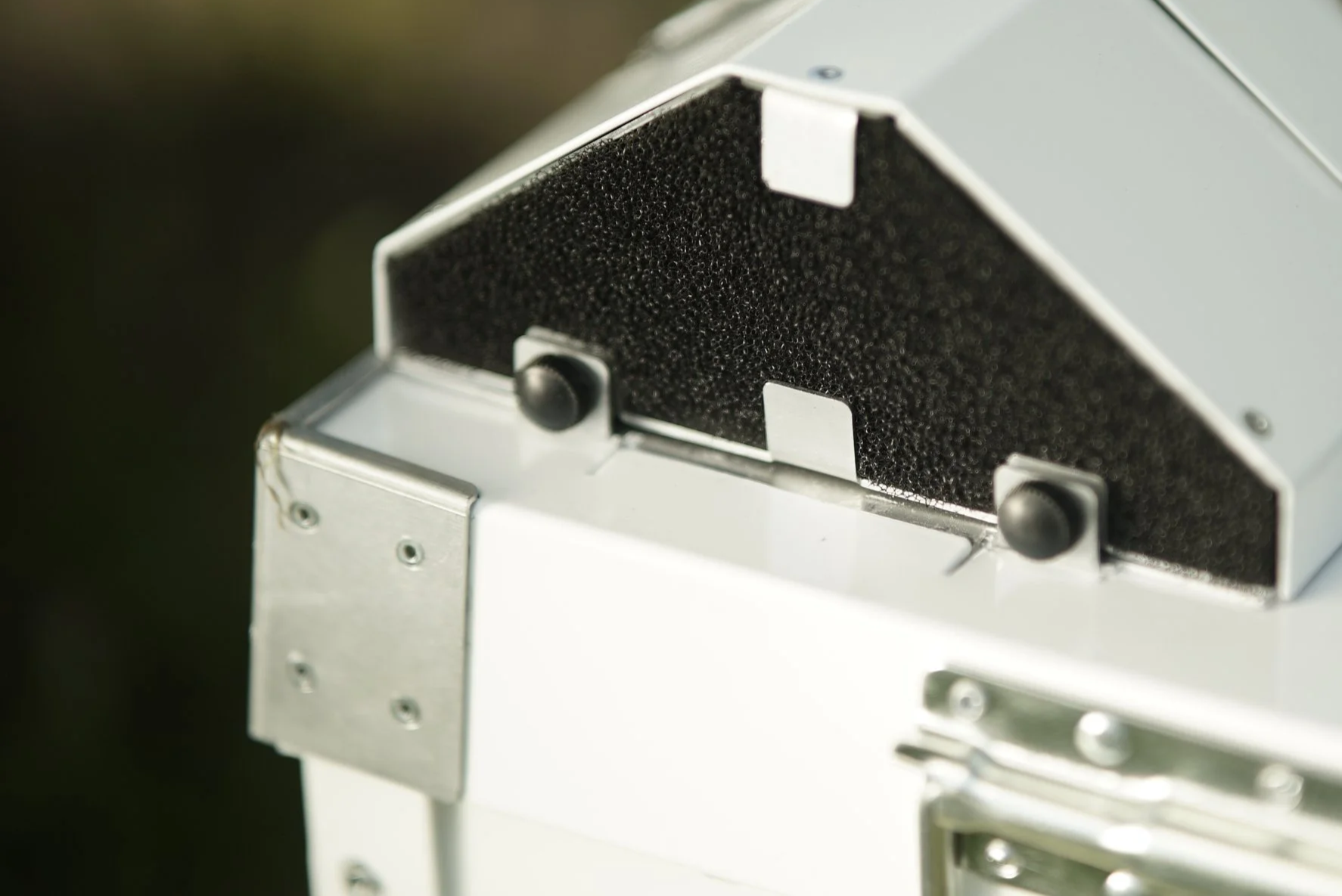
FOAM FILTER
This is the air intake filter, easily cleaned and long lasting. Filters the intake for the twin fan design (two fans in case one ever fails).
A back up fan? Talk about over-engineering.
-
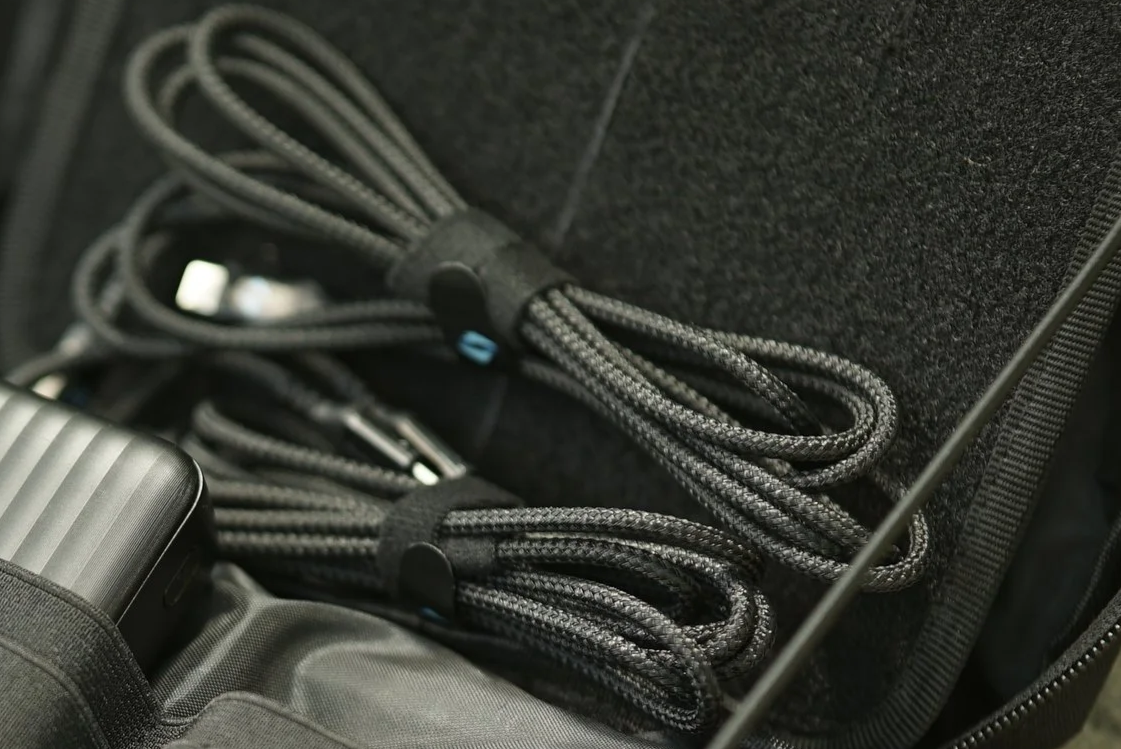
![A set of black and gray braided cable cords in a black carrying case.]()
HEAVY DUTY CABLES
These cables are braided for protection from nibblers and are supplied in the power bag as a 2mtr and 3mtr. The 3mtr long is handy for car power.
-
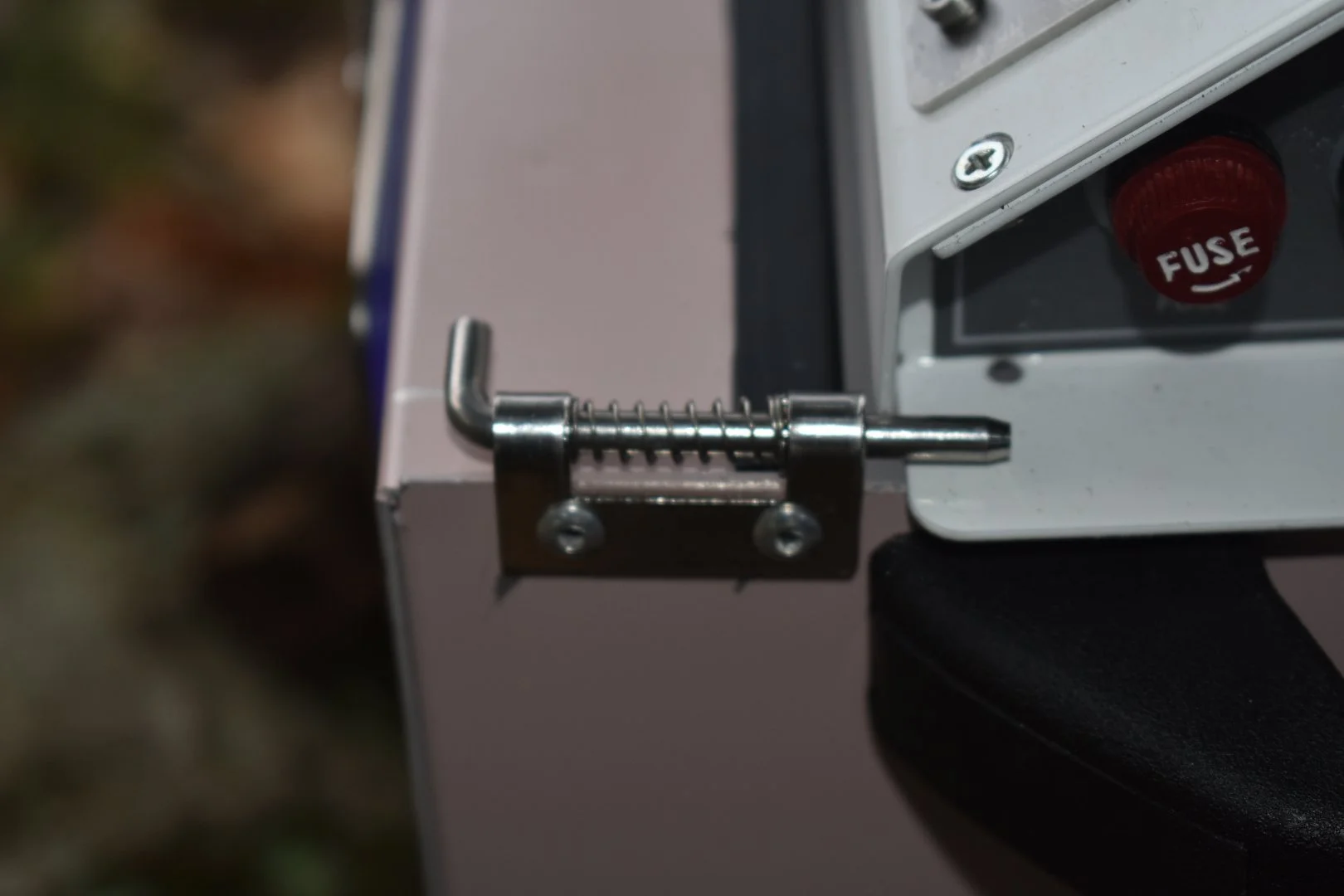
![Close-up of a spring loaded latch attached to a metal intensive care unit]()
STAINLESS SPRING LOADED LATCHES
These add to the quality of to the design. Stainless steel being resistant to rust and high tensile strength.
-
![Black and white circular badge with an outline of Australia and the text 'Made in Australia'.]()
AUSTRALIAN MADE
Can we make products overseas to earn more money? Yes, but our priority remains firmly focused on supporting and steadily growing Australian manufacturing. We are committed to creating meaningful, long-lasting local jobs while also ensuring we protect the environment for future generations. This approach allows us to maintain high-quality standards and promote sustainability in everything we do.
-
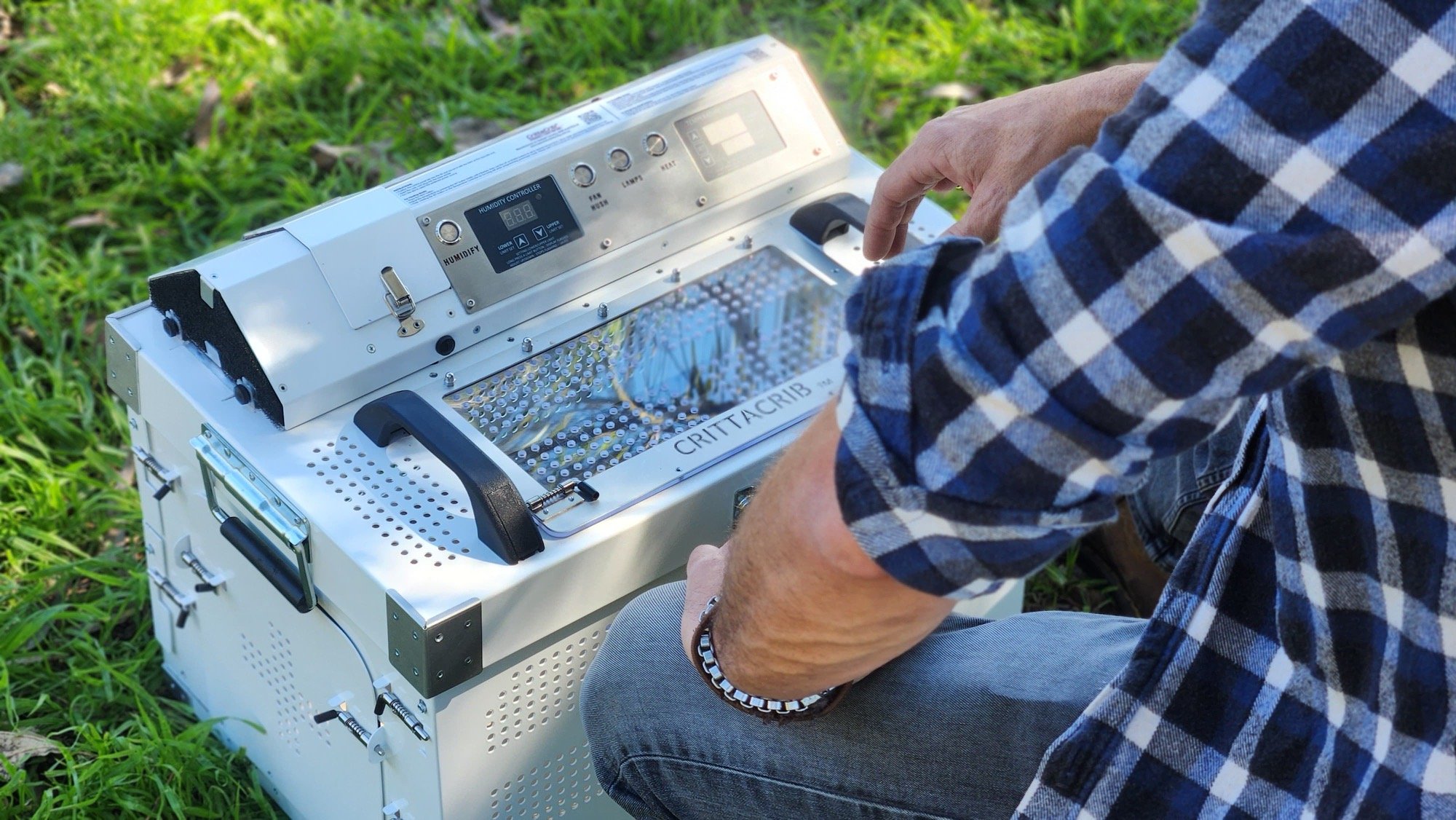
![A person wearing a blue and black checkered shirt sitting outdoors on grass, using a scientific device with a reflective surface and electronic controls.]()
JUST A REALLY NICE PHOTO
Mick de Montignie most of the photos on this site (the good ones are his, the dodgy ones mine) and produced the video for us. He digs wildlife and volunteered during the bushfires. LEGEND.

Immediate Stabilisation Matters!
Injured wildlife often arrive in shock and may be dehydrated or struggling to regulate their body temperature — issues that can become life‑threatening very quickly.
Before veterinary treatment can begin, animals need to be stabilised: warmed, hydrated, and settled in a quiet, enclosed space where they can start to recover safely.
Creating a Controlled Environment.
Creating a controlled environment supports wildlife in care by:
Preventing temperature shock and hypothermia
Reducing stress and unnecessary energy loss
Minimising handling and the risk of further injury
Supporting natural recovery before transfer to a clinic
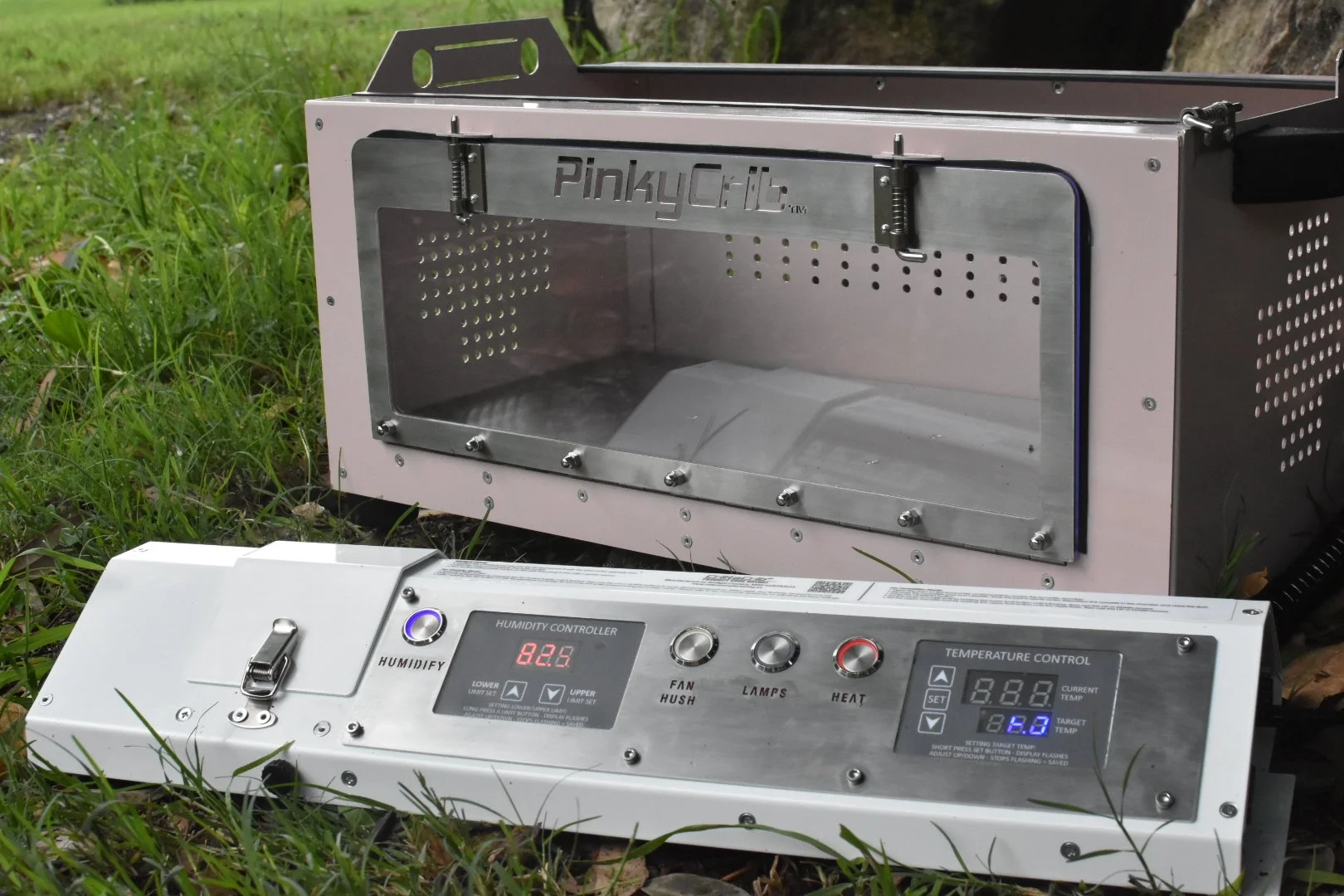
Who the PinkyCrib® is perfect for?
The PinkyCrib® is made for anyone who steps up to care for Australia’s wildlife — whether it’s part of your everyday work, your volunteer role, or something you do when an animal simply needs help.
It’s ideal for:
Wildlife carers and rescuers who need a safe, portable and hygienic space where animals can rest, recover or be transported with comfort.
Veterinary teams and sanctuary staff who rely on quick, secure access for treatment, monitoring and gentle handling.
People in rural and regional communities, where injured wildlife are often found roadside and young animals may need immediate warmth and support.
Volunteer bushfire and emergency responders, who depend on reliable, easy‑to‑set‑up equipment to stabilise wildlife in challenging conditions.
Wherever an animal needs calm, warmth and a sense of safety, the PinkyCrib® creates a supportive environment — giving you the flexibility to offer the care that can make all the difference in their recovery
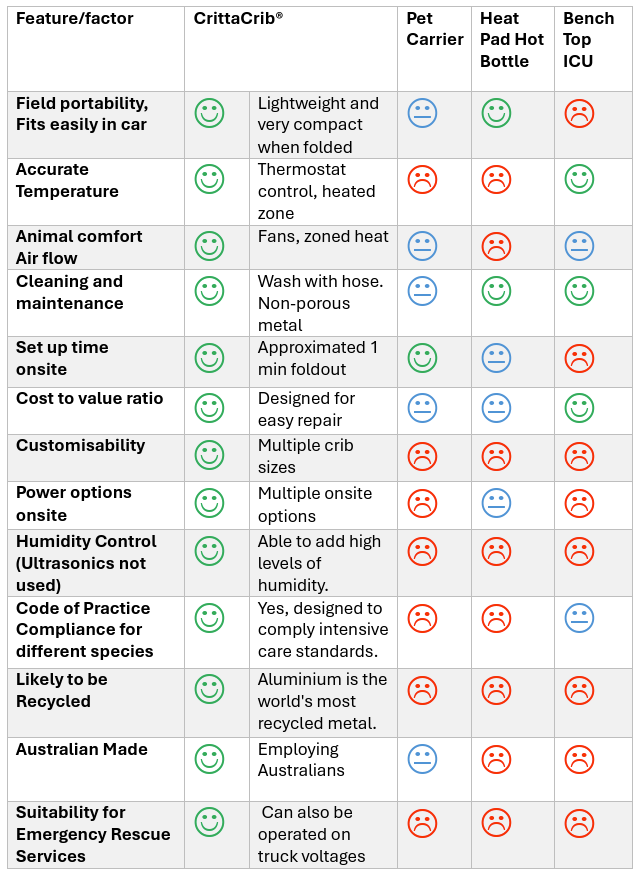
How the CrittaCrib® RANGE Stacks Up .. literally
By automatically managing the internal environment, the PinkyCrib® Wildlife Intensive Care Unit removes the guesswork and helps improve outcomes for both carers and the animals they support.
How to Use the PinkyCrib® Animal ICU for Wildlife Rescue
Prepare before you go
Ensure your PinkyCrib® stays fully powered via the included USB‑C power bank, your vehicle outlet, or a wall socket.
Before placing an animal inside, set the temperature and humidity to match its species and developmental needs, creating a stable, supportive environment.
Don’t forget some soft bedding (terry or flannel cloth)
At the Rescue Site
Gently place the animal into the PinkyCrib® wildlife incubator using minimal handling.
Close the unit securely to create a quiet, dim, and warm space.
Use the species-specific settings to maintain an optimal environment.
During Transport
Keep the PinkyCrib® level and minimise vibration. A rolled towel under the base can help steady it.
Secure the unit using seatbelt straps through the side handles or by attaching it to tie‑down points in the vehicle.Use the clear viewing panel to check on the animal without opening the lid, helping keep stress low.
Maintain a stable temperature and humidity inside your vehicle throughout the trip — if you’re comfortable, the animal likely is too.
Always transport the PinkyCrib® in the cabin, never in the boot.
On Arrival (Vet or Wildlife Shelter)
Place the animal somewhere quiet and away from domestic pets to help reduce shock.
Keep the environment steady. If the PinkyCrib® battery runs low while waiting, ask to have it plugged into a wall outlet.
After use, wipe down the PinkyCrib® and pack it up so it’s clean and ready for the next call‑out.
Create the Ideal Conditions for your pinky
Different species have different needs, but core stabilisation principles include:
Temperature: Most native mammals and birds recover best at 28–32°C — a range the PinkyCrib® maintains with precise, consistent control.
Humidity: Moderate humidity (40–60%) helps prevent dehydration, especially for unfurred or featherless young (pinkys, pinkies, pinkees — however you spell it).
Quiet and Ventilated: The low‑noise fans provide strong airflow without adding stress. Soft light and minimal sound help reduce shock and conserve energy.
Minimal Handling: Observe through the clear front panel and open the unit only for essential triage or feeding.
Clean Environment: The enclosed design helps limit dust, contaminants and pathogen exposure, keeping the space safer for vulnerable animals.

Nator Manufacturing acknowledges all First Nations peoples of this land and recognises their enduring connection to and protection of Country and local knowledges. We thank them for protecting these lands, waters, and ecosystems since time immemorial. We pay our respects to Elders past and present, and extend that respect to all First Nations people who are collaborating with Nator Manufacturing today. We also recognise that sovereignty was never ceded.